 enCAST.pro
Transform Your Passion Into a Career: The Real Path to Becoming a Film Color Grader
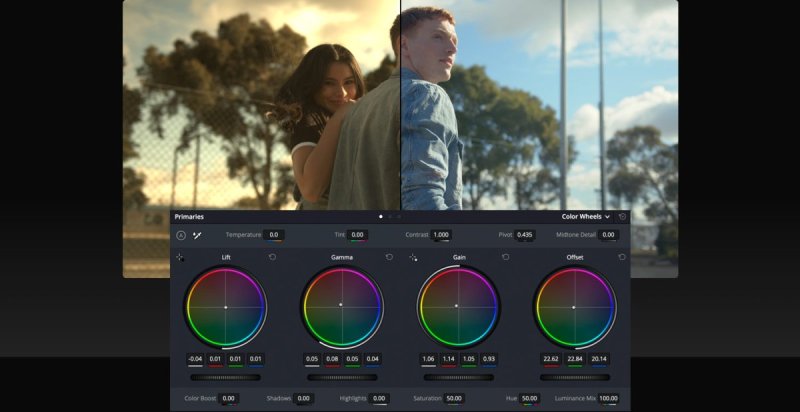 You can become a film color grader by learning on DaVinci Resolve software, understanding color theory, and working your way up from an assistant position at a post-production house.
The typical path takes 2-4 years of hands-on experience before you handle projects independently.
Most successful colorists skip film school and jump straight into entry-level jobs where they learn by doing. The film industry values your portfolio and practical skills over any degree.
And the nice thing is that with a decent computer, you can begin right now at home. For free.
What Does a Film Color Grader Actually Do? #
A color grader creates the visual mood of films by adjusting colors, contrast, and brightness to match the director's vision. You work in post-production, meaning you touch the film after it's shot and edited.
Your job splits into two main tasks.
- Color Correction fixes technical problems like bad lighting or wrong white balance.
- Color Grading adds creative style to make scenes feel warm, cold, dramatic, or any mood the story needs.
Think of movies like The Matrix with its green tint or Wes Anderson's bright pastel worlds. That's color grading at work.
Master DaVinci Resolve First #
DaVinci Resolve is the industry standard software that colorists use worldwide. The best part? It's completely free to download and use.
Blackmagic Design offers free official training books and videos for DaVinci Resolve, plus there are tons of videos on YouTube.
Start with their beginner's guide and work through the exercises. You need to spend at least 3-6 months practicing daily to build basic competence.
Learn Color Theory and Visual Storytelling #
Color theory teaches you how different colors create specific emotions in viewers.
- Red creates tension and passion.
- Blue feels cold or sad.
- Orange and teal combinations dominate modern Hollywood films.
Study films you love and analyze their color choices. Watch behind-the-scenes content where colorists explain their decisions. This trains your eye faster than any textbook.
You must also understand cinematography basics and how directors of photography use light. This knowledge helps you communicate with the creative team and understand their vision.
Essential Hardware for Serious Colorists #
Most colorists need professional-grade monitors designed for color accuracy, often 4K screens, plus specialized color control panels. While you can start learning with just a laptop, professional work demands better tools.
The Blackmagic Design DaVinci Resolve Speed Editor* gives you physical controls for faster editing and grading workflows. This keyboard accelerates your work significantly once you learn the basics. Many professionals consider it essential equipment because it reduces the time you spend clicking through menus.
However, don't buy expensive hardware until you've practiced with the free software for several months. Master the fundamentals first, then invest in tools that match your growing skills.
* this comes with the key to activate the full Studio version of DaVinci Resolve.
Breaking Into the Industry #
You'll want to practice on student films and short films made by friends. You'll make mistakes, but you'll learn a lot.
This you'll do from home, but then one day you might want to break into the industry as a pro.
Your best entry point is getting any job at a post-production house, even as a production assistant. These studios handle all the finishing work for films, commercials, and TV shows.
As an assistant colorist, you prepare projects for senior colorists, handle file management, and communicate with clients. You're not grading yet, but you're watching professionals work every single day.
Show attention to detail, stay organized, and provide excellent client service. These soft skills matter as much as your technical abilities when senior colorists decide who to promote.
Meanwhile, carry on building your own portfolio by color grading student films, music videos, or short films for free. Your demo reel proves you can deliver professional results.
The Career Path: Assistant to Senior Colorist #
After proving yourself as an assistant, you gradually take on match grading work where you match the look of additional shots to the main grade. This builds trust with your senior colorist.
Eventually, you start building your own client base when senior colorists are too busy to take smaller projects. You might work on commercials, social media content, and independent films first.
The jump to senior colorist happens when you can consistently deliver high-quality work on deadline and maintain client relationships. This typically takes 3-5 years of focused work.
What You'll Earn as a Color Grader #
The average salary for colorists ranges from $40,000 to $58,000 per year. Entry-level positions start around $30,000, while experienced Hollywood colorists can earn $70,000 or more.
Freelance colorists bill per project, which means income varies significantly. Your earning potential grows as you build reputation and relationships with directors and cinematographers.
Post-production houses provide professional equipment for their staff colorists, which is why starting as an assistant makes financial sense. You gain access to high-end tools without the massive upfront investment.
Your Action Plan Starting Today #
Download DaVinci Resolve now and complete one free tutorial series this week. Blackmagic Design's official training is the perfect starting point.
Grade at least one video project per week. Use your phone footage, download free stock footage, or collaborate with student filmmakers. Your skills improve only through repetitive practice.
Research post-production studios in your area and follow them on social media. Many announce job openings there first. Send your portfolio to smaller studios where you're more likely to get noticed.
Remember that every professional colorist started exactly where you are now. The difference between them and you is simply the hours they invested learning the craft. Your journey starts with your next project, not tomorrow or next month.


Questions about this page?
If something here is unclear or out of date, let us know through our contact page.