 enCAST.pro
Should I Go to Film School? Honest Answer for Aspiring Filmmakers
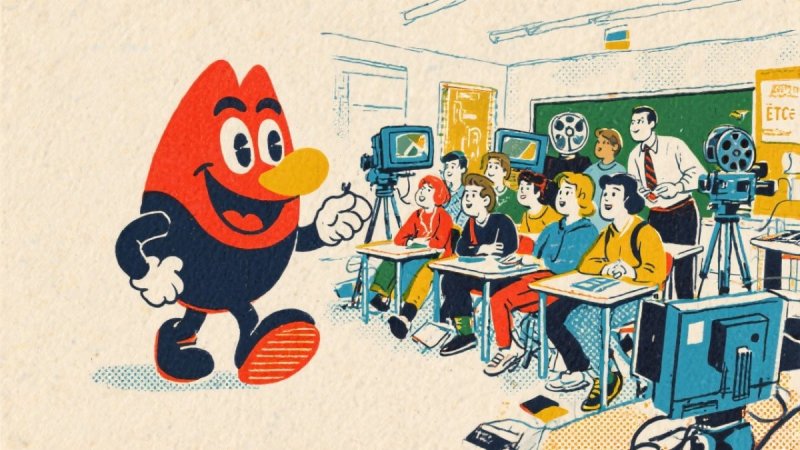 The honest answer is: probably not. Most successful directors never attended film school. Many who did attend still struggled to find work. Film school creates debt without guaranteeing a film career.
This doesn't mean film school has zero value. It means you need to understand what you're actually paying for. Let me break down the real costs, benefits, and alternatives so you can make an informed decision.
The Real Cost of Film School #
Film school costs serious money. Tuition ranges from essentially free at some state-funded programs (mostly in Europe where education is free), to over $100,000 per year at top private film schools. Most programs fall somewhere between $10,000 and $60,000 annually. Free or cheap options exist, but they're rare and extremely competitive.
Tuition doesn't tell the whole story. You'll need housing in expensive film cities, equipment for student projects, and production expenses for permits, crew, and materials. These extras add thousands to your annual costs.
A four-year degree typically costs between $40,000 and $260,000 total, often financed through student loans you'll spend years repaying.
What Film School Actually Teaches You #
Film schools offer structured learning about film history, theory, and production techniques. You learn by doing, making multiple student films throughout your program. Most programs require you to work in different roles to understand the entire filmmaking process.
You get access to expensive equipment. Professional cameras, lighting kits, and editing suites cost tens of thousands of dollars to rent. Film schools provide this equipment as part of your tuition.
The curriculum covers cinematography, directing, screenwriting, editing, sound design, and production management. You'll study classic films and learn from the masters. Some programs lean more theoretical, while others focus heavily on hands-on production.
Quality varies significantly. Top schools offer world-class instruction. Lesser-known programs provide questionable value for the cost.
The Networking Argument Everyone Makes #
People often say networking is the main reason to attend film school. This argument has some truth. You'll meet other aspiring filmmakers, work on their projects, and build relationships with professors who have industry connections.
Some graduates do find work through their film school contacts. Others attend expensive programs and graduate with the same networking they could have built working as a production assistant for free.
The film industry runs on connections everywhere. Hollywood, Bollywood, European cinema, and world film markets all operate through personal networks. Film school isn't the only place to build them. Working on actual sets, attending film festivals, and joining online communities also create valuable networks.
The Employment Reality After Graduation #
San Francisco Film School reports a 92% job placement rate in entertainment . This sounds impressive until you realize that the "entertainment industry" includes any job remotely connected to media, not actual filmmaking positions.
Research shows only 20% of film studies graduates work directly in film-related roles within 15 months of graduation . The majority work in completely different fields or take whatever jobs they can find to pay off student loans.
The Los Angeles Film School shows 73% employment for some programs . But these statistics often count production assistants making minimum wage, not actual creative positions.
Famous Directors Who Never Attended Film School #
Christopher Nolan studied English Literature and made his first feature for £3,000. Quentin Tarantino dropped out of high school and learned by working at a video store. James Cameron drove a truck and taught himself special effects by reading books.
Peter Jackson dropped out of school at 16 and bought his first camera with money from odd jobs. Stanley Kubrick taught himself photography and filmmaking with no formal education. Steven Spielberg was rejected from film school multiple times before becoming Hollywood's most successful director.
The Wachowski siblings dropped out of college and ran a house painting business while writing. Wes Anderson has a philosophy degree, not a film degree. Akira Kurosawa entered cinema by chance after studying fine arts.
These aren't exceptions—they represent a huge percentage of successful directors globally. Film school didn't teach them to make great films. They learned by making films.
What Film School Actually Provides #
Film school gives you three main things: equipment access, structured learning, and time to make mistakes. These have real value for some people.
The equipment access matters. Renting professional cameras costs thousands of dollars per project. Film schools provide unlimited access as part of tuition.
You also get feedback from experienced professors and peers. Making films in a supportive environment lets you experiment without commercial pressure. Some people thrive in this structured setting.
The value depends heavily on cost. A free or cheap program provides excellent value. A $60,000 per year program requires serious justification.
The Better Alternatives to Consider #
You can learn filmmaking without massive debt. YouTube offers thousands of free tutorials covering every aspect of production. Online platforms like Skillshare and Udemy provide structured courses for under $200.
Start working as a production assistant on real film sets. You'll earn money instead of creating debt. You'll network with actual working professionals. You'll see how professional productions operate.
This works everywhere. The film industry exists globally and constantly needs entry-level workers willing to learn.
Buy affordable equipment and make your own films. Modern cameras and editing software cost less than one semester of film school. Submit your work to film festivals to gain exposure and meet other filmmakers.
Join online filmmaking communities. Reddit, MoviePeopleHub, Discord servers, and Facebook groups connect you with thousands of filmmakers worldwide who share knowledge and collaborate on projects.
The Money vs. Experience Question #
Here's a brutal truth: $100,000 invested in your own films will teach you more than $100,000 spent on tuition. With that money, you could make 10-20 short films with professional equipment. You'd have a substantial portfolio showing actual filmmaking ability.
They say film school gives you permission to learn.
But you don't need permission. Nobody checks diplomas when hiring film crews anywhere in the world. They check your previous work and who recommended you.
The industry cares about three things everywhere:
- your portfolio
- your connections
- your work ethic
A film school diploma doesn't guarantee any of these things.
Who Actually Benefits From Film School #
Some people genuinely benefit from formal education. If you need external structure and deadlines to stay productive, film school provides that framework. If you learn better in collaborative environments with peer feedback, programs offer built-in collaborators.
If you can attend a free or cheap program, the risk-reward calculation favors attendance. If your family can afford tuition without loans, the financial risk decreases significantly.
If you're young with no work experience or portfolio, film school provides a transition period to develop skills. Some people need that protected environment to build confidence.
If you want to teach film at the university level later, you'll need advanced degrees. Film school becomes necessary for that specific career path.
The Skills That Actually Matter #
But the truth is that nobody cares if you understand film theory when you're on set at 5 AM. They care if you show up on time, work hard, and do what's asked without complaining. Film school often doesn't teach these crucial professional skills.
The industry wants to see proof you can finish projects. A completed short film demonstrates more value than a transcript. Your ability to solve problems, manage budgets, and work with difficult personalities matters more than your knowledge of the French New Wave.
Technical skills become outdated quickly. The editing software you learn in school might be obsolete in five years. The mindset of continuous learning and adaptation lasts forever.
My Honest Recommendation #
Don't attend film school unless you have a specific, compelling reason that outweighs the cost. If you can't articulate exactly why you need formal education beyond, "I want to make films," then don't go.
If you can access a free or genuinely affordable program, the calculation changes. A low-cost degree makes much more sense than a six-figure debt burden.
Instead, start making films immediately. Buy a camera, write a script, gather some friends, and shoot something this weekend. You'll learn more from one completed short film than from one semester of classes.
Work as a production assistant while making your own projects on the side. This path costs nothing, teaches you the industry from the inside, and builds real connections with working professionals.
If you still feel you need formal education after making several films independently, consider shorter, cheaper programs. Certificate programs and workshops cost thousands instead of hundreds of thousands. They provide focused training without devastating debt.
The Bottom Line #
Film school is not necessary for a film career. The evidence overwhelmingly supports this statement across all film industries worldwide. Most successful filmmakers never attended, and many who did attend would have succeeded without it.
The decision comes down to your learning style, financial situation, and personal discipline. Be honest about whether you need external structure to learn and create. Be realistic about your ability to repay massive student loans.
The film industry doesn't care about your credentials. It cares about your work. Start making films today with whatever equipment you can access. That's the fastest, cheapest, and most effective path to a filmmaking career.


Comments
No comments yet. Be the first to share your thoughts.
Log in to join the discussion.