 enCAST.pro
Moving Into Film When You're Older: A Realistic Career Change Guide
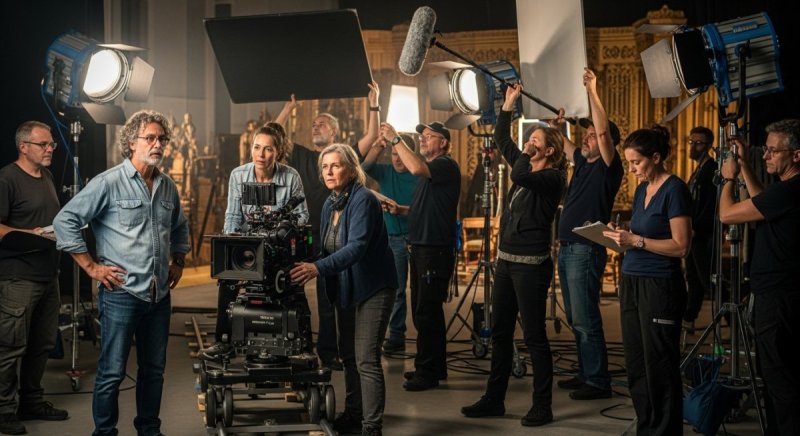 You've spent years building a career outside in an office maybe, in a blue collar job, in a job that has nothing to do with film or filmmaking.
But now you want in.
So maybe you apply to training programs and get rejected. You talk to a few people and get put off. And then you wonder if the industry only wants young people fresh out of school.
Here's the truth that might change your mind and get you into the industry: the industry needs career changers like you because of what you can bring.
But you need different strategies than traditional entry routes.
Real People Who Changed Careers Into Film #
Harrison Ford worked as a full-time carpenter until age 35 before landing his breakthrough roles. Ken Jeong practiced as a licensed physician until his late 30s before switching to acting and comedy. Ava DuVernay worked in publicity before directing her first film after turning 40. Raymond Chandler was an oil company executive who started screenwriting in his mid-40s during the Great Depression.
These people - and many more like them - didn't start in film and work their way up for decades. They changed careers entirely, bringing outside experience with them.
A former logistics manager said their professional skills and work ethic helped them advance faster than younger people who started in production.
Likewise, your previous career taught you things film productions desperately need.
What Your Old Job Actually Taught You #
Film sets need people who can manage chaos, meet deadlines, and solve problems without falling apart. If you spent years in another professional field, you already have these skills.
And the people who hire know that older professionals often perform better overall than younger crew members because they have more patience, maturity, and real-world experience. You're mature: you know how to communicate clearly, handle workplace stress, and work professionally without creating drama.
Film productions run 12-hour minimum days under intense pressure, so they need reliable people who understand professional responsibility. Your career history proves you can deliver, which matters more than film school credentials.
And Why Your Professional Maturity Helps #
Patience, good judgment, and understanding different perspectives all improve with age and directly help you succeed in film work. Younger crew members often struggle with basic professionalism that you take for granted.
You meet deadlines without excuses, communicate clearly without drama, and solve problems independently. You understand workplace hierarchy and know when to speak up and when to follow directions. Skills can be learned, but attitude cannot, and being a good team player matters enormously in the stressful film environment.
These soft skills accelerate your progression once you get in because department heads want to work with reliable professionals who make their jobs easier.
Why Training Programs Don't Matter As Much As You Think #
Maybe you try to get into the industry through a training program and got kicked back. First, know that competitive training programs reject most applicants because they get hundreds of applications for limited spots. Rejection doesn't mean you lack talent or potential; it just means
And remember that many successful film professionals never attended formal programs, and any skill from any background can translate to film work. The industry is full of people who got in through side doors, connections, or just showing up persistently.
The thing is, your existing skills already give you foundation, so you don't need another degree or formal program. You need the right entry point and connections.
Match Your Background to Film Departments #
Think about what you actually did in your previous career, then find the film department that needs those skills.
If you managed projects, coordinated schedules, or handled logistics, look at production coordinator and production manager roles. If you did creative work like design or art, explore the art department, props, or set decoration. If you have technical skills from engineering or IT, consider camera, lighting, or sound departments. If you worked retail or hospitality, try locations department or production assistant work because people skills matter most there. If you have trade skills like carpentry or electrical work, construction and set building departments need you.
Entry-level positions include assistants, runners, and production assistants that don't require film school education, so your professional experience counts more than formal training.
Actually Breaking In: What to Do Now #
Stop applying to programs and start building direct connections instead because that's how most people actually get hired.
To get started, it really is who you know, not what you know.
This week: Make a one-page resume that highlights transferable skills. Don't write a generic film resume, but instead focus on what you can do that productions need. Include any coordination, creative work, technical skills, or project management.
Next week: Research productions shooting in your area through film commission websites, crew Facebook groups, and job boards. Look for any production at any budget level because you need experience and connections more than money right now.
Following week: Email or call production coordinators and department heads on active shoots. Keep your message short and specific. Say what relevant skills you have and that you want entry-level work. Phone calls work better than emails because you become a memorable contact rather than just another resume in an inbox.
How Entry-Level Work Actually Works #
Most people enter specialized departments through general production assistant roles first, so don't expect to start where you want to end up. If you work as a PA or runner, tell department heads what interests you and introduce yourself to coordinators so they know you want to move into their area.
PA work means long hours, physical labor, and low pay initially, but it gets you on sets where you learn how productions work and meet people who hire for better positions. Film departments value practical skills and proven reliability over formal education so your professional background starts mattering once you demonstrate commitment.
Timeline and Money Reality #
Breaking into film takes 1-3 years of active networking and entry-level work before you land consistent paid opportunities, assuming you keep trying and accept starter positions along the way.
You'll probably work for free or cheap on student films and small projects at first because these build your resume and connections. Each job should lead to meeting people who can hire you for the next job, so treat every project like a networking opportunity.
Film has unstable income and long hours that might not work for everyone's financial obligations, so be honest about whether you can handle irregular paychecks and gaps between jobs. Many people keep part-time work in their previous field while building film careers because production work is freelance and unpredictable.
Common Mistakes That Waste Your Time #
Don't send generic, "I want to work in film" messages because they get ignored. Instead, specify which department interests you and exactly what relevant skills you offer.
Don't wait for perfect opportunities because you need any legitimate set experience you can get. Student films, music videos, commercials, and tiny projects all count as experience and networking, so take them even if they pay nothing initially.
Don't interpret formal rejections as proof you can't succeed because many filmmakers broke in later in life through alternative pathways. The side door often works better than the front entrance for career changers.
What Actually Happens Next #
Your film career won't follow a straight line, and you'll work several productions before landing paid specialized positions. You'll face more rejections and some people will judge your age or unconventional background, but that's normal.
Older professionals starting film careers have better self-knowledge and skip the growing pains that younger crew members experience while learning workplace professionalism. Your maturity becomes a major advantage once you secure those initial opportunities.
Film needs reliable, skilled people who handle pressure well and work professionally. You have those qualities from years in your previous career, so you just need to demonstrate them to the right people.
Start today by documenting your relevant skills, finding local productions, and making those direct contacts. Your film career begins with the first person you reach out to, not with acceptance letters from formal programs.


Comments
No comments yet. Be the first to share your thoughts.
Log in to join the discussion.