 enCAST.pro
How Vertical Video Dramas Are Rewriting Entertainment Rules
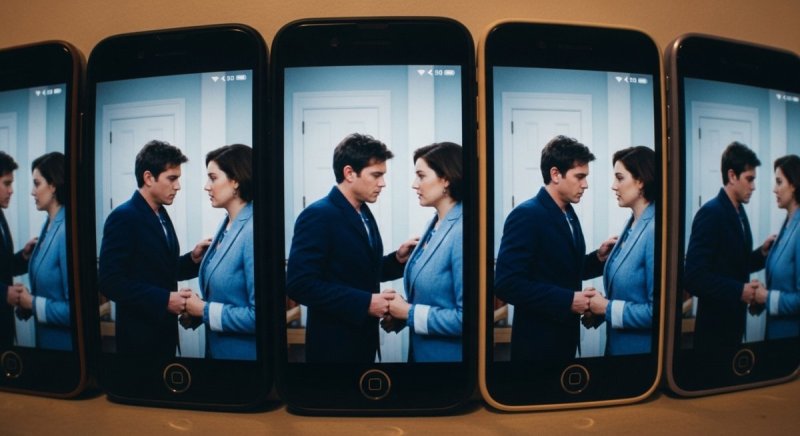
Micro dramas have exploded from a quirky pandemic experiment into a global entertainment phenomenon that's now rivaling traditional cinema. These bite-sized vertical videos - shot specifically for smartphones - are changing how billions of people consume stories, and Hollywood is finally paying attention.
What Makes Micro Dramas Different #
Think of micro dramas as the love child of TikTok and traditional television. Each series contains 60-100 episodes that run just one to three minutes each. You watch them vertically on your phone, just like scrolling through social media. The entire series equals about the length of a feature film, but broken into addictive chunks designed for your morning commute or lunch break.
The format started in China during COVID-19 lockdowns when people craved escapist entertainment they could consume quickly. What began as low-budget content for smaller cities has evolved into a sophisticated industry that now surpasses China's theatrical box office.
Hollywood's Vertical Awakening #
Fox Entertainment made waves in October 2025 by investing in Holywater, a Ukrainian company producing vertical videos. Fox committed to creating over 200 vertical titles in the next two years. Disney also validated the format by selecting leading micro drama platform DramaBoxa for its prestigious Accelerator program.
Industry veterans are jumping in too. Former ABC Entertainment Chairman Lloyd Braun, former Showtime President Jana Winograde, and former NBCUniversal Chairman Susan Rovner launched MicroCo, a new venture specifically for vertical content. Even the actors' union SAG-AFTRA created a special agreement just for micro drama productions.
This isn't Quibi 2.0. Unlike that failed experiment, micro dramas emerged when audiences were already comfortable watching vertical video on TikTok. More importantly, they've figured out how to make money.
Who's Actually Watching Micro Dramas? #
The audience is broader than you'd expect, but women aged 30-60 drive most of the viewing. These aren't teenagers killing time but affluent professionals seeking emotional escapism during busy days. Seventy percent of viewers across platforms are female.
But middle-aged and elderly viewers represent the fastest-growing segment, particularly in China. They're looking for emotional connection and stories about family dynamics that resonate with their lives. The format's short episodes make it easy to watch a few during any spare moment.
The content itself is unapologetically formulaic. CEO romances dominate, where everyday women discover their flash-marriage husband is secretly a billionaire. Revenge plots are huge. "Cinderella counterattack" stories where the underdog triumphs. Time travel, werewolf romances, hidden identities.
Importantly, every episode ends on a cliffhanger designed to keep you watching.
Critics call it "brain-off" entertainment, and creators don't disagree. The goal is the "shuang" feeling - that satisfying, almost guilty pleasure sensation. These aren't subtle character studies. They're melodrama turned up to eleven, and audiences are binging them obsessively.
How They're Made So Fast #
Production moves at breakneck speed. Most series finish filming in one to four weeks, with some Chinese productions wrapping in under seven days. Costs stay low with Chinese productions running at around $50,000 per series, while American productions cost $150,000-$250,000.
Artificial intelligence is revolutionizing production even further. AI tools now generate scripts, create virtual sets, design characters, and even produce synthetic actors. China released The Sun That Fell," their first fully AI-generated sci-fi micro drama with 50+ characters and 200 scenes, completed in just three months.
The vertical format itself requires rethinking traditional cinematography. Close-ups work beautifully. Wide shots become impossible. Cameras are often rotated to portrait mode, or content is shot in 4K and cropped later. Many productions now shoot entirely on high-end smartphones rather than professional cameras.
The Business Behind the Binge #
The "freemium" model hooks viewers brilliantly. You get the first 10-20 episodes free, just enough to get invested in the story. Then, right at the most dramatic moment, you hit the paywall. Want to know if she discovers her husband's secret identity? That'll be 50 cents per episode, or about $20-$50 to finish the entire series.
Users can also earn virtual coins by watching ads, checking in daily, or completing offers. It's gamification borrowed from mobile gaming, and it works. Some heavy users spend over $200 monthly unlocking content.
ReelShort, DramaBox, and ShortMax lead the market, with their apps racking up hundreds of millions of downloads globally. DramaBox even surpassed both Hulu and Paramount+ in monthly users. The platform actually makes a profit which is rare in an industry where most companies burn through cash on user acquisition.
Global Expansion and Local Flavors #
Different regions crave different stories. Western audiences want CEO romances with local actors and authentic American or European settings. Southeast Asia blends translated Chinese content with increasing local production. Latin America launched Spanish-language micro dramas in 2025, building on their telenovela traditions with betrayal, suspense, and high emotional intensity.
Japan is becoming a major market with its own preferences for revenge and workplace dramas. India is testing the format but faces challenges: audiences there still prefer long-form content like Pakistani dramas that rack up billions of YouTube views.
Production hubs now span from China's Hengdian studios (where 600+ crews shoot simultaneously) to Atlanta, Los Angeles, and Eastern Europe. Ukraine's Holywater operates production facilities in Kyiv, offering Western aesthetics at costs below American studios.
The Challenges Ahead #
Not everything is perfect in vertical video land. Most platforms still lose money despite massive viewership, burning through revenue on advertising to acquire new users. Content quality concerns persist and many productions are genuinely low-budget with wooden acting and predictable plots.
China has intensified content regulation, removing hundreds of thousands of episodes for violence, obscenity, and "bad connotations." Authorities want platforms to "tell good China stories" rather than focusing solely on wealth fantasies and materialism.
Piracy poses another threat. Viral clips on TikTok and Instagram serve as free previews that drive app downloads, but they also cannibalize paid viewing when users watch entire series as free social media clips instead of paying to unlock them.
Why This Matters for Film Lovers #
Micro dramas represent more than a content fad. Instead, they're a fundamental shift in how entertainment gets made and consumed. The format succeeds by matching how people actually use their phones: in short bursts throughout the day, holding devices vertically, often while multitasking.
Production democratization means new opportunities for emerging talent. During Hollywood's production slowdown, vertical dramas provide work for actors, directors, and writers who might otherwise struggle to break in. The barrier to entry is lower, the production timeline is faster, and the format rewards different skills than traditional filmmaking.
The business model also challenges streaming giants. These platforms generate more revenue per user than Netflix, produce content faster than traditional television, and achieve engagement metrics that exceed conventional streaming. That's why major entertainment companies are paying attention.
The Future Is Vertical #
The terminology might evolve vertical series sounds more premium than micro dramas, but the format is here to stay. With less than ten percent market penetration of potential users globally, the growth runway stretches for years.
Premium productions with bigger budgets are emerging, signaling industry maturation beyond cheap origins. Successful stories are spawning sequels and franchises. Interactive elements let viewers make choices that affect the plot, blending television with gaming.
Traditional streaming services will likely integrate vertical content rather than ignore it. Netflix and others are already experimenting with format adaptations. Geographic expansion continues into Latin America, the Middle East, and Africa - anywhere with rising smartphone penetration and audiences seeking mobile-first entertainment.
Micro dramas won't replace feature films or prestige television. But they're carving out a permanent space in entertainment, optimized for fragmented attention and mobile devices. Like streaming services disrupted but didn't eliminate theatrical releases, vertical series are creating a complementary category that serves how people increasingly consume media.
The revolution won't be televised, it'll be watched vertically, in 90-second bursts, on the subway ride home.


Comments
No comments yet. Be the first to share your thoughts.
Log in to join the discussion.