 enCAST.pro
How to Become a Film Composer: A Musician's Guide to Scoring Films
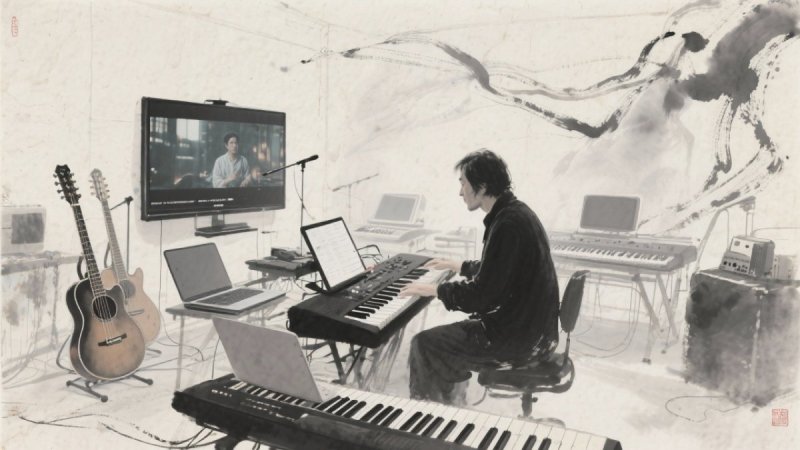
The bottom line: Start by learning music composition fundamentals and getting film scoring software like Logic Pro X or Cubase. Then score student films for free to build your portfolio. Most film composers spend years doing unpaid work before landing their first paying gig.
That's the honest truth. This career requires patience and financial sacrifice before you see any real income.
The Truth About Success #
Breaking into film composition is extremely difficult. Hundreds of talented composers compete for every paid opportunity. Many people with excellent skills never make a living from film scoring. This is not a career for anyone who needs financial stability quickly.
Success requires talent, persistence, business skills, and luck. Even John Williams acknowledged that becoming a film composer requires "about 30 good breaks." You cannot control when those breaks happen.
Your first decade in this field will likely involve financial struggle. You'll work many jobs for free. You'll question whether you should continue. Most people who start this path eventually quit.
But if you're passionate about combining music with visual storytelling, this career offers unique rewards. Your music shapes how millions of people experience films. You collaborate with creative teams to build something larger than yourself.
Do You Need Formal Education? #
You don't need a degree to become a film composer. Many successful composers are self-taught. Danny Elfman never went to film school. He learned by experimenting with percussion instruments from Africa and Asia, which gave his scores a unique sound.
However, formal education offers real advantages. Music composition programs teach you theory, orchestration, and music history. These programs also connect you with film students who need composers for their projects. You'll graduate with portfolio pieces already completed.
Some universities offer specific film scoring degrees. Your instructors are often working industry professionals. The alumni networks from these schools can open doors later in your career.
If you skip formal education, you must teach yourself rigorously. Study harmony, orchestration, and composition on your own. Learn about different musical genres and film techniques. Watch films with the sound off, then try scoring scenes yourself.
Essential Software and Tools You'll Need #
Every film composer needs a DAW (Digital Audio Workstation). This is software that lets you compose, record, and mix music. The most popular DAWs among film composers are Cubase, Logic Pro X, and Digital Performer.
Hans Zimmer uses Cubase for composing. Logic Pro X costs less and works great for beginners. It includes many built-in instruments and sounds. Digital Performer is preferred by Danny Elfman and many other professionals because of its "chunks" feature, which lets you manage multiple cues in one project.
You'll also need virtual instruments that sound like real orchestras. These sample libraries are expensive. Popular options include Spitfire Audio, EastWest, and Native Instruments Kontakt. A basic setup might cost $1,000 to $3,000.
Pro Tools is the industry standard for mixing and recording live musicians. Most composers use one DAW for writing music and Pro Tools for the final mix. You don't need Pro Tools when starting out.
The Income Reality: What Film Composers Actually Earn #
The average film composer salary is between $50,000 and $88,000 per year according to salary surveys. However, this number hides a difficult truth. Most beginning composers earn nothing for years.
Your first film score will likely pay nothing. Many composers score their first project for free just to get the credit. Low budget indie films might pay $2,000 to $10,000 for a full score.
Mid-budget films ($5-20 million budget) might offer $100,000 to $300,000 for the score. But this is usually a package deal. That means you must pay the orchestra, studio time, and musicians from that budget. After expenses, your actual fee might be $30,000 to $50,000.
Only elite composers working on major studio films earn $500,000 or more per score. There are maybe 50 people in the world at this level. John Williams and Hans Zimmer can command millions per film.
Most film composers supplement their income for years. They teach music lessons, work as assistants to established composers, or produce music for other purposes. This career requires serious financial planning.
Start with Student Films #
Student films are your entry point into film composing. Film schools produce hundreds of short films every year. These students need composers and usually have no budget.
Search for film students on Instagram, TikTok, and YouTube using hashtags like #studentfilm, #indiefilm, or #filmstudent. Watch their work. If you like their style, message them. Don't immediately ask for work. First, show genuine appreciation for their film. Then offer to rescore one scene as an audition for future collaboration.
Join Facebook groups for filmmakers in your city. Attend film festivals and networking events at local film schools. Introduce yourself as a composer and offer your services.
Many composers get their first IMDB credit through these connections. These early projects won't pay money. But you'll build your portfolio and create relationships with directors who will hire you later when they have budgets.
Building Your Portfolio and Demo Reel #
Create a demo reel showing different musical styles. Include action cues, emotional pieces, suspenseful music, and comedic scores. Each piece should be 30 to 60 seconds long. The total reel should be 3 to 5 minutes.
Sync your music to actual video footage. Don't just upload audio files. You can legally rescore scenes from existing films for your demo reel as long as you're not selling them. This shows directors you understand how to compose to picture.
Your website needs to be professional and simple. Put your best work first. Include your contact information prominently. Many composers lose opportunities because directors can't figure out how to reach them.
Update your portfolio constantly. Remove older work that doesn't represent your current skill level. Every piece should be excellent. One weak track will make directors question your abilities.
Networking: The Most Important Skill #
Most film scoring jobs come through personal connections, not public job postings. You must actively network to build a career. Attend film industry events, not just music events. Go to film festivals, director meetups, and production company mixings.
Join professional organizations like the Society of Composers and Lyricists. These groups host events where you can meet other composers and learn about opportunities. Many established composers mentor younger ones through these organizations.
Consider working as an assistant to a successful composer. Jim Dooley got his start by writing 200 letters to composers offering to help. He received one response but that connection led to working with Hans Zimmer. Even if the job involves technical work or administrative tasks, you'll learn the business from the inside.
Be someone directors want to work with. Film composers must collaborate closely with directors under tight deadlines. Your personality matters as much as your talent. Be flexible, meet deadlines, and stay calm under pressure.
The Composer's Work Process #
Film composers usually join a project during post-production. The director shares a rough cut of the film. You watch it together and discuss where music should appear and what emotions each scene needs.
You then compose musical sketches for key scenes. These are rough versions that demonstrate your ideas. The director gives feedback. You revise based on their notes. This process repeats until everyone approves the music.
Most film composers work alone in their home studios. There's no supervisor watching over you. This requires strong self-discipline. You might work 16-hour days for weeks to meet a deadline. Weekends disappear when a project is due.
After composing, you record the final score. For low-budget films, you use virtual instruments. For bigger budgets, you might hire live musicians or a full orchestra. Pro Tools or similar software is used for the final mix.
Alternative Paths and Income Streams #
Don't limit yourself to feature films only. Television episodes typically pay $1,000 to $5,000 per episode. A 22-episode season provides steady work. Video games need composers too, often with better pay structures than films.
Production music libraries are another option. You compose tracks that get licensed to multiple productions. Each use generates royalty payments. This provides passive income between film projects.
Commercials pay well for short compositions. A 30-second commercial might earn $5,000 to $20,000. The work is fast-paced and requires versatility. Many composers use commercial work to fund their film composition careers.
Teaching can supplement your income while keeping you connected to the industry. Music schools and online platforms need film composition instructors. Teaching also forces you to stay current with industry trends.
Your First Steps Today #
Stop waiting for permission to call yourself a composer. Open your DAW software right now. Choose a scene from your favorite film. Mute the original audio. Write your own score for that scene. This is how you practice.
Join online forums for filmmakers and composers. Introduce yourself. Watch student films on YouTube and Vimeo. Find a film you love and contact the filmmaker. Offer to rescore one scene for free.
Study film scores actively. Watch movies with subtitles and the score isolated if possible. Analyze how music supports the story. Notice when music enters and exits scenes.
Set realistic expectations. You probably won't earn meaningful income from film scoring for three to five years. Plan your finances accordingly. Consider keeping a day job while building your portfolio.
Most importantly, compose constantly. Your first 100 pieces will be practice. Your next 100 will start showing promise. Eventually, you'll develop a unique voice that directors seek out.


Comments
No comments yet. Be the first to share your thoughts.
Log in to join the discussion.